 Ujjawal Laddha
Building a WordPress website sounds easy – a good theme, a few plugins, handful of images, and readable content. That’s it. You’re up and running. At least, that’s how it looks on the surface. But once you get into the details – performance, security, SEO, custom features – you quickly realize it’s not as simple as dragging and dropping a few blocks together.
That’s why more businesses are turning to offshore WordPress development. It’s not just about saving money (although that’s a big plus). It’s about finding skilled developers who know WordPress inside and out – and getting access to a global pool of talent you might not find locally.
But here’s the thing: hiring offshore isn’t as simple as picking the first agency that pops up on Google. If you’re not careful, you could end up with missed deadlines, sloppy work, or a website that doesn’t match your vision at all.
In this guide, I’ll walk you through everything you need to know about finding the right offshore WordPress development partner. No jargon, no boring theory — just real, practical advice you can actually use.
60 Second Summary
- Offshore WordPress development is a smart way to build high-quality, professional websites while saving on costs and accessing top global talent.
- Before hiring, define your project scope, list must-have features, and know whether you need custom development, ongoing support, or long-term maintenance.
- Vet offshore teams carefully by reviewing real portfolios, checking client feedback, asking about technical expertise, and making sure they follow clean coding practices.
- Smooth collaboration depends on clear documentation, regular check-ins using effective management tools, and smart time zone management (with tools like Loom and MarkUp.io).
- Future-proof your WordPress website development by choosing developers skilled in modern tech (Gutenberg, Headless WordPress) and setting up a proper knowledge transfer before project handover.
Why Offshore WordPress Development is a Smart Strategy
When you’re building a serious WordPress site – not just a blog for your dog, but an actual business website – you want it done right. That usually means hiring people who really know what they’re doing. But good talent can be expensive, especially if you’re only looking locally.
That’s where offshore WordPress development comes in.
By working with developers from countries where the cost of living is lower, you can get the same (and sometimes even better) level of expertise for a lot less money. And it’s not just about saving a few bucks – there are real strategic advantages too.
For starters, you get access to a much bigger talent pool. Instead of being stuck with whoever’s available in your city or country, you can work with top WordPress pros from all over the world. Developers who have built membership sites, e-commerce stores, custom plugins – you name it.
Another bonus? If you pick the right offshore partner, you can have work happening around the clock. While you’re sleeping, your team might be fixing bugs, building features, or polishing up your site. It’s like putting your project on fast-forward.
Of course, offshore development isn’t magic. You still need to find the right people, set clear expectations, and stay involved. But if you do it right, it’s one of the smartest moves you can make – especially if you’re trying to build something amazing without draining your entire budget.
Need a Team That Actually Gets WordPress?
At AgencyMinds, we build websites that work, scale, and make your life easier — not harder.
Defining Your Needs Before You Start Outsourcing WordPress Development
Here’s the thing — if you don’t know what you want, there’s a good chance you won’t get it.
Before you even start thinking about outsourcing WordPress development, you’ve got to figure out exactly what you’re trying to build.
Are you looking for a simple WordPress site with a few pages and a contact form? Or are you dreaming about a full-blown e-commerce store, a membership platform, or a custom solution packed with unique features?
Different jobs need different kinds of skills – and not every development team will be the right fit for every type of project.
You’ll also want to be clear on the “extras” that could make or break your website:
- Do you need someone who can handle SEO from day one?
- Should your site load lightning-fast and score high on Google’s Core Web Vitals?
- Are you thinking about custom plugin development later down the road?
It’s easy to assume a good developer can “just figure it out,” but trust me — the best results come when both sides know exactly what’s needed from the start.
Here’s a simple trick:
Make three lists before you even reach out to anyone.
- Must-haves: The non-negotiables for your WordPress site.
- Nice-to-haves: Features that would be cool, but aren’t critical right now.
- Future plans: Anything you might want to add six months or a year from now.
And don’t forget the practical stuff:
- Timeline — Are you in a rush, or do you have time to get it done right?
- Budget — Are you bootstrapping, or are you ready to invest in a top-notch development team?
If you’re clear about what you need, you’ll have a much easier time finding an offshore partner who actually gets your vision – and who can bring your WordPress site to life without the usual headaches.
Where to Find Offshore WordPress Development Partners
Once you know what you’re looking for, the next step is finding the right people to build your WordPress site.
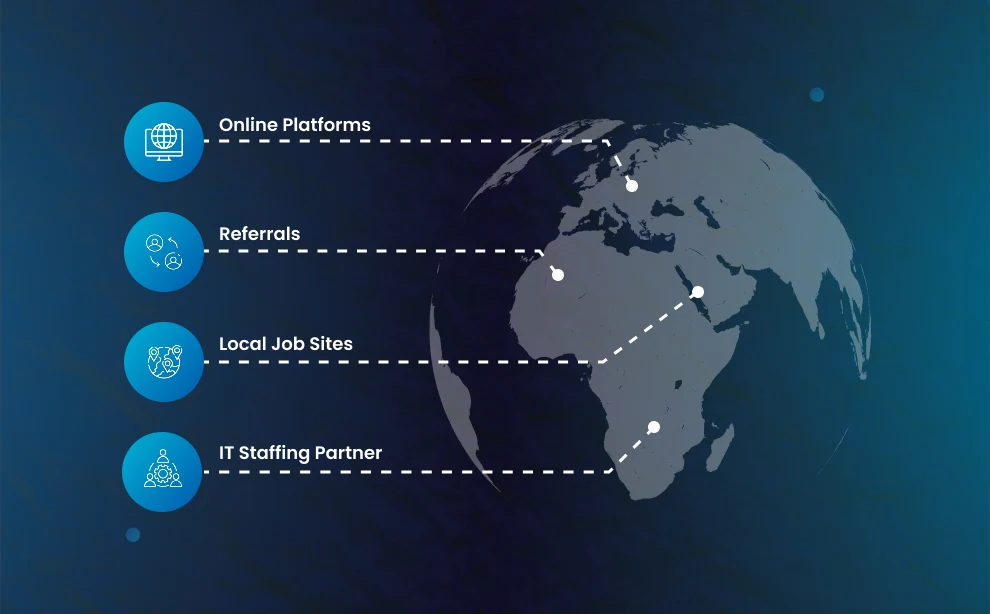
The good news? There are more options than ever. The tricky part is choosing a partner who actually delivers what they promise.
If you want to go the freelance route, platforms like Upwork or Toptal are a starting point. You can find some talented offshore WordPress developers there – but working with freelancers often means you have to manage everything yourself. That includes timelines, communication, quality control, and keeping track of progress across different time zones. Without strong project management tools in place, things can get messy fast.
That’s why a lot of businesses prefer teaming up with a WordPress development agency instead.
Agencies come with built-in project managers, structured processes, and a full development team that’s used to collaborating. You’re not just hiring a coder; you’re getting a whole crew – developers, designers, testers – who know how to work together and deliver a polished product.
This is exactly where AgencyMinds stands out.
As an experienced White label WordPress development agency specializing in offshore WordPress development, we take the guesswork out of the process. You don’t have to worry about chasing down freelancers or figuring out which project management solutions to use — AgencyMinds has it all handled.
Our team of offshore WordPress developers knows how to deliver high-quality, scalable websites while keeping communication clear and timelines on track.
Another smart move?
Check out directories like Clutch and GoodFirms where you can see real client reviews, past projects, and how different agencies — including ones like AgencyMinds — stack up.
Pro Tip: When you’re outsourcing WordPress development, always ask agencies how they handle project tracking and updates. If they don’t mention specific project management tools (like Trello, Asana, or Jira), that’s a red flag.
How to Vet Offshore WordPress Developers
Finding offshore WordPress developers is easy.
Finding good offshore WordPress developers? That takes a little more work – but it’s worth it if you want your website done right the first time.
The first thing you should always check is their portfolio. But don’t just look at how the sites look – pretty designs are great, but you want to dig deeper.
- How fast do the sites load?
- Are they mobile-friendly and easy to navigate?
- Do they feel polished and professional, or are there clunky parts that don’t quite fit together?
Good website development isn’t just about making something that looks nice. It’s about building a site that actually performs well for real users.
Another smart move?
Ask if the developer has contributed to any WordPress plugins or themes. Developers who contribute to open-source projects usually follow higher coding standards — and it shows they genuinely care about the WordPress community. Even small contributions can be a good sign that you’re dealing with someone serious about their craft.
When you talk to potential developers or agencies, don’t be shy about asking detailed questions:
- How do they ensure mobile responsiveness across different devices?
- What SEO best practices do they follow during the build?
- How do they handle security updates and patching vulnerabilities?
These aren’t just “nice extras” – they’re crucial to making sure your WordPress site can grow without running into big problems later.
It’s also smart to dig into real-world feedback.
Look for client testimonials, but don’t just rely on the ones posted on their website. Check independent review platforms or even ask for references you can contact directly. A good offshore team won’t hesitate to share examples of happy clients.
And don’t forget to talk about the project scope and development process right from the start.
You want to be crystal clear about what’s included (and what’s not), how often you’ll get updates, what happens if something changes mid-project, and how support will work after launch. A professional offshore team will have a clear plan for how they run a project – it shouldn’t feel like they’re making it up as they go.
At the end of the day, the goal isn’t just to find someone who can build a site — it’s to find someone who will take the time to understand your business, respect your deadlines, and treat your website like it actually matters.
Questions to Ask Before Signing a Contract
Before you lock in your offshore WordPress development team, it’s smart to ask a few key questions — not just to protect yourself, but to make sure you’re setting the project up for real success.
- What’s your experience with custom WordPress development?
You want more than someone who’s installed a few themes. Look for a team that has handled real-world WordPress development projects — custom plugins, integrations, complex layouts — not just basic setup jobs. Their experience will make a huge difference when things get tricky. - How do you handle project management and communication?
Clear updates and regular check-ins are non-negotiable. If a team has a structured process and uses tools like Trello, Asana, or Jira, that’s a good sign they take the work seriously. A solid wordpress development outsourcing service should make it easy for you to know what’s happening at every stage without chasing them down for answers. - What happens if the project scope changes?
Even with the best planning, sometimes mid-project you realize you need an extra feature or a tweak you hadn’t thought of. A professional team will have a clear policy for handling changes — no surprises, no hidden fees. - What kind of post-launch support and maintenance options do you offer?
Your site isn’t “done” the moment it goes live. Security updates, backups, and bug fixes are all part of keeping your site healthy. A team with a proven track record won’t just hand you the keys and disappear – they’ll offer ongoing support to keep things running smoothly.
In short, you’re not just hiring for technical expertise. You’re hiring a partner who’s committed to seeing your site succeed – from the first brainstorming session all the way through growth and maintenance.
Red Flags to Watch Out For
Not every offshore WordPress team is going to be the right fit — and some might cause more problems than they solve.
Here are a few red flags you definitely don’t want to ignore.
- Unrealistic pricing or delivery timelines
If someone promises to build you a full-featured WordPress site for dirt cheap and deliver it in a week… run. Good web development takes time, planning, and skill. If it sounds too good to be true, it usually is. - Poor communication or vague answers
Pay attention during those first conversations. If you’re getting slow replies, vague promises, or if they can’t clearly explain their development process, that’s a bad sign. A professional team should be upfront, specific, and able to walk you through how they plan to handle your project. - Lack of documentation process
A reliable outsourcing partner will keep track of everything – project briefs, timelines, feedback, and changes. If there’s no documentation at all, expect a lot of confusion later. Without clear records, even simple updates or fixes can turn into messy back-and-forth headaches. - No clear understanding of WordPress coding standards
Ask about best practices. A good development team knows that following WordPress standards isn’t just for show – it’s essential for future updates, security, and scalability. If they can’t explain things like clean code, plugin compatibility, or child themes, they’re not the team you want to trust your site with.
Finally, don’t forget: a professional team will also focus on customer development – meaning they’ll actually listen to your goals, understand your business, and suggest ways to make your site better, not just blindly follow instructions.
Spotting these red flags early can save you a lot of time, money, and frustration – and help you find a team that will actually deliver what you need.
How to Collaborate Effectively With Your Offshore Team
Even if you hire the best offshore WordPress development company, things can fall apart without good collaboration. Building a strong working relationship is just as important as hiring the right team in the first place.
First off, start with clear documentation.
Don’t just send a few emails explaining what you want. Take the time to create proper briefs, user stories, and outlines that explain the full project scope. The more specific you are at the start, the fewer surprises there’ll be down the road.
Next, set up regular check-ins using reliable project management tools like Trello, Asana, or Jira.
Don’t just rely on random emails or WhatsApp messages. A shared workspace helps everyone stay on the same page, keeps track of wordpress development tasks, and avoids miscommunications that can drag a wordpress project off course.
One tricky part of working with offshore teams is dealing with time zones. You won’t always have perfect overlap — and that’s okay.
The key is to schedule at least a little “real-time” each week for quick meetings, and handle everything else through asynchronous communication – like updates, videos, and documented feedback.
Out of the box tip:
Use tools like Loom to record short video messages instead of long emails. Sometimes it’s easier to show what you mean instead of explaining it in text.
You can also use tools like MarkUp.io to leave visual feedback directly on website pages or designs. It saves a ton of back-and-forth and clears up confusion fast.
Finally, treat your offshore developers like an extension of your in house team – not just vendors working in the background. Include them in big-picture discussions, share feedback openly, and celebrate milestones together. A little effort to build that connection goes a long way toward smoother, more successful projects.
Good collaboration isn’t about micro-managing – it’s about creating clear communication habits that make the whole process easier for everyone.
Future-Proofing Your WordPress Project
Launching your site is just the beginning.
If you want your WordPress project to stay strong months (and years) down the line, you’ve got to think ahead — and make smart choices right from the start.
- First, make sure you’re working with a team that knows today’s tech, not just yesterday’s tricks.
Ask if they’re comfortable working with modern tools like Gutenberg, Headless WordPress setups, and the REST API. This kind of custom development gives you way more flexibility as your business grows and changes. - You should also look for offshore development teams that put a real emphasis on clean coding and scalability.
Anyone can cobble together a website that works today, but sloppy code will cause endless headaches when you try to add new features later. A team that follows best practices now will save you a fortune in future rebuilds and fixes. - Another often-overlooked step in the outsourcing process is the handover.
Before your developers wrap up, set up a proper knowledge transfer session. Have them walk you (or your in-house tech person) through how the site is built, where customizations live, and how to maintain it.
This is especially important if you’ve had any custom theme development done — you’ll want full control and understanding, not a mysterious black box you can’t update later.
A little future-proofing now means a lot less stress (and a lot more growth potential) later.
Got a WordPress project in mind but not sure where to start?
AgencyMinds team is here to help you figure it out — no pressure, just smart advice and real solutions.
Frequently Asked Questions
Absolutely. Outsourcing WordPress development lets small businesses access top-level skills without the high costs of hiring a full in-house team. It’s a smart way to get a professional site built while staying within budget.
Look for WordPress developers with a strong portfolio, real client testimonials, and experience handling projects similar to yours. It’s also important they can explain their development process clearly and communicate well from the start.
A good project brief should cover your business goals, must-have features, design ideas, budget, and timeline. Clear instructions make it easier for the offshore team to understand exactly what you want and deliver better results for your WordPress website development project.
The best offshore teams use a mix of real-time meetings and async communication (like email, Loom videos, and project management tools) to stay in sync. They’ll usually suggest a few overlap hours that work for both sides, so collaboration stays smooth.
Yes! Even after your site launches, ongoing support is critical for things like plugin updates, security patches, backups, and small tweaks. A good offshore partner will offer flexible maintenance packages to keep your site healthy and running smoothly.
Definitely. If you need a WordPress conversion — like moving from an old CMS to WordPress or upgrading an outdated site — many outsourcing agencies specialize in this. Make sure to pick a team with experience in complex migrations to avoid downtime or data loss.
Freelancers can be a good option for small, simple tasks. But if you’re building a full WordPress website development project or need ongoing support, a professional WordPress development agency gives you access to a bigger team, structured processes, and more reliable results.